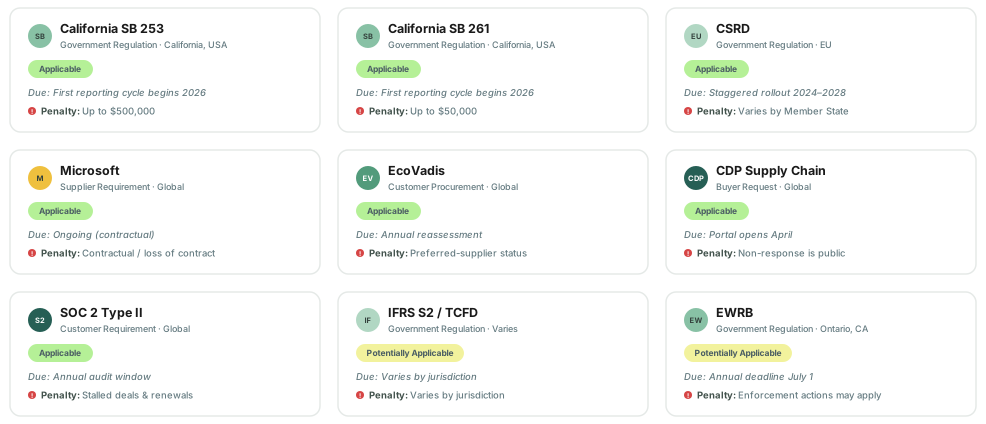
Audit-ready proof for everything your customers, investors, and regulators ask of you.
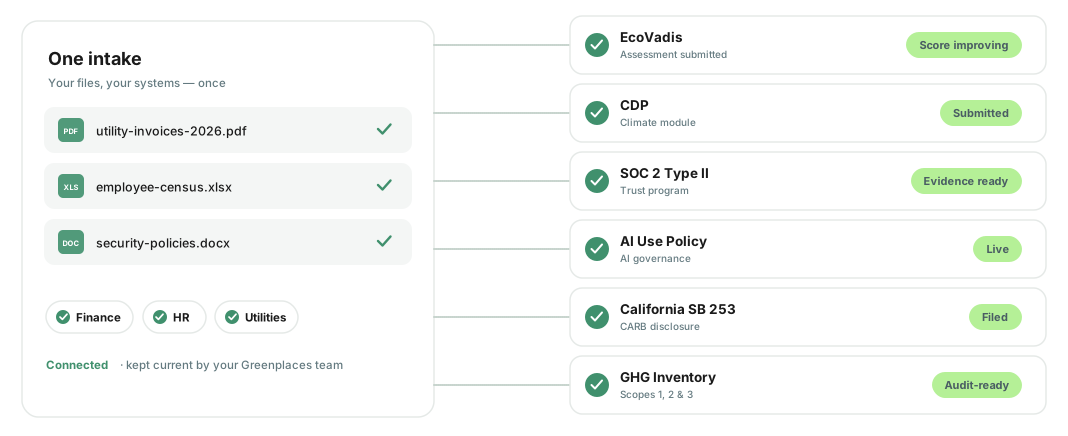
Carbon footprints, EcoVadis, SOC 2, AI governance, all of it, delivered by senior experts and a platform built to make their work go further. You get back finished, expert-verified work you can stand behind.
Your customers keep adding requirements. Your team hasn’t grown.
Every quarter brings a new questionnaire, a new framework, a new disclosure deadline. EcoVadis. CDP. SBTi. SB 253. SOC 2. AI governance. The list grows. The team doesn’t.
Greenplaces is the sustainability and trust team you would have hired if you had the budget, the time, and access to the right talent. Senior specialists take ownership of each requirement, backed by a platform that makes their work go further. You hand off the work; we hand back audit-ready results in weeks, not quarters, at a fraction of the cost of traditional consulting.