New York Climate Week
Greenplaces hosted Sustainability on the Half Shell and joined Qlik on stage to talk AI and sustainability at Climate Week NYC.
Recap & highlights
Last year's Climate Week was subdued. The federal rollback of clean energy tax credits had landed two months earlier, and TIME later wrote that for a moment it seemed the political climate "might kill New York Climate Week." This year was different. The same TIME piece noted that "those questions disappeared," Deals got closed and the energy was high. The vocabulary shifted toward energy security, affordability, and competitiveness, and much of the week was about powering AI. But the people doing the work showed up, and they were not apologizing for it.
The confidence has data behind it and these numbers got a lot of play last week. The IEA's World Energy Investment 2026 puts global clean energy investment at $2.2 trillion this year against $1.2 trillion for fossil fuels. Ember found that renewables generated more of the world's electricity than coal in 2025 for the first time, 33.8% to 33.0%, and that fossil generation fell. Solar is now so cheap that Chinese modules were reported at 12 cents per watt this month, down from five or six dollars in the early 2000s, and BNEF's battery price survey has lithium-ion packs at a record low $108 per kWh. Lazard still finds unsubsidized wind and solar the cheapest new generation to build. Al Gore told Scientific American during the week that "there's a real possibility that we will look back on the year 2026 as the turning point."
The US numbers hold up without the tax credits. Solar and storage made up 79 percent of new US generating capacity in 2025. Battery storage set a record at 18.9 GW, up 52%. The EIA expects a record 86 GW of new capacity in 2026, 93 percent of it solar, storage, and wind, and projects that solar will out-generate coal in Texas this year. Corporate buyers signed a record 29.5 GW of US clean power contracts in 2025, led by the large tech companies. Even the oil shock from the Iran war pushed the other way: the IEA says it "clearly reinforced the case" for EVs, with sales climbing across Europe, India, Brazil, and Australia. The honest caveats: US EV sales are down this year, US solar installs dipped in 2025, and coal retirements slowed. The direction has not changed. The pace in the US has.
Sustainability on the Half Shell fit the week. Over oysters, scientists, filmmakers, corporate sustainability leaders, NGOs, and government staff talked ocean health and the wider ESG agenda. New York Harbor was once covered in reef critical to the ecosystem, clean water and a acting as a natural storm break, and the Billion Oyster Project has restored more than 200 million oysters on its way to a billion, using over 3.1 million pounds of shell recycled from city restaurants. The best conversations crossed disciplines: a scientist on what warming does to shellfish, a corporate lead on what that should change in a procurement decision.
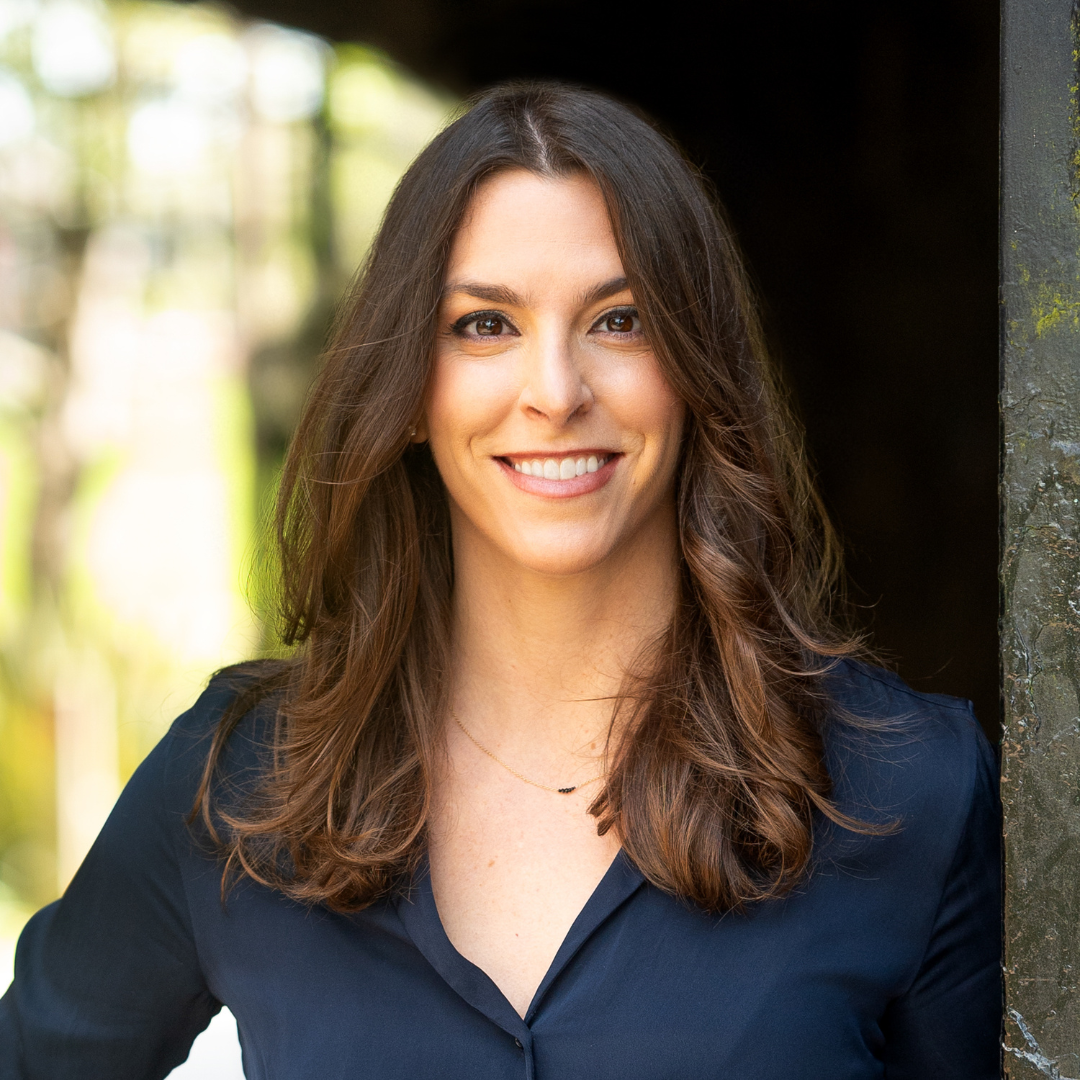
At the Empire State Building, Corinne joined Qlik and Sensiba to talk about how AI is changing sustainability work. The framing matched what we hear from our customers. AI is now central to how companies gather emissions data and model scenarios, and it is making the work faster for the small and mid-sized businesses we support. The panel was just as direct about the energy and water footprint of data centers, which came up at nearly every AI session this week. Governance has to come first, and the technology has to deliver more reductions than it consumes.
One more thing. Climate Group CEO Helen Clarkson called out "greenhushing," noting that media mentions of climate change fell 38 percent between 2021 and 2025 while companies kept acting. The work has not slowed. Talking about it has. We left New York with new connections, a long list of follow-ups, and the enthusiasm and encouragement these climate-community events are supposed to generate.
- Corinne Hanson
About this event
Climate Week NYC is the largest climate gathering of the year, run by Climate Group alongside the UN General Assembly. The 2026 edition ran September 20 to 27 under the theme "Energy. Impact. Action." with more than 1,000 events across the city. It is where business leaders, policymakers, investors, scientists, and advocates compare notes on what is getting built.
This year the agenda leaned toward execution over new pledges, the energy transition, and AI's growing role in sustainability work. The ocean had a real presence too, with sessions on coastal resilience and nature-based solutions and a UN meeting on sea-level rise the same week.
Why we went
Two reasons. First, we wanted to host something other than a panel. Sustainability on the Half Shell was our oyster evening built around New York's harbor story and ocean sustainability more broadly. We invited climate scientists, documentary filmmakers, corporate sustainability leads, NGOs, and public-sector staff working across ESG. Those groups rarely share a room, and they should.
Second, our VP of Sustainability, Corinne Hanson, joined Qlik for a panel on AI and sustainability at the Empire State Building. AI was the subject of the week, and we wanted to bring the practitioner's view: where it is already helping companies measure and cut emissions, and where its own footprint needs honest accounting.